Marine Electrical System Maintenance
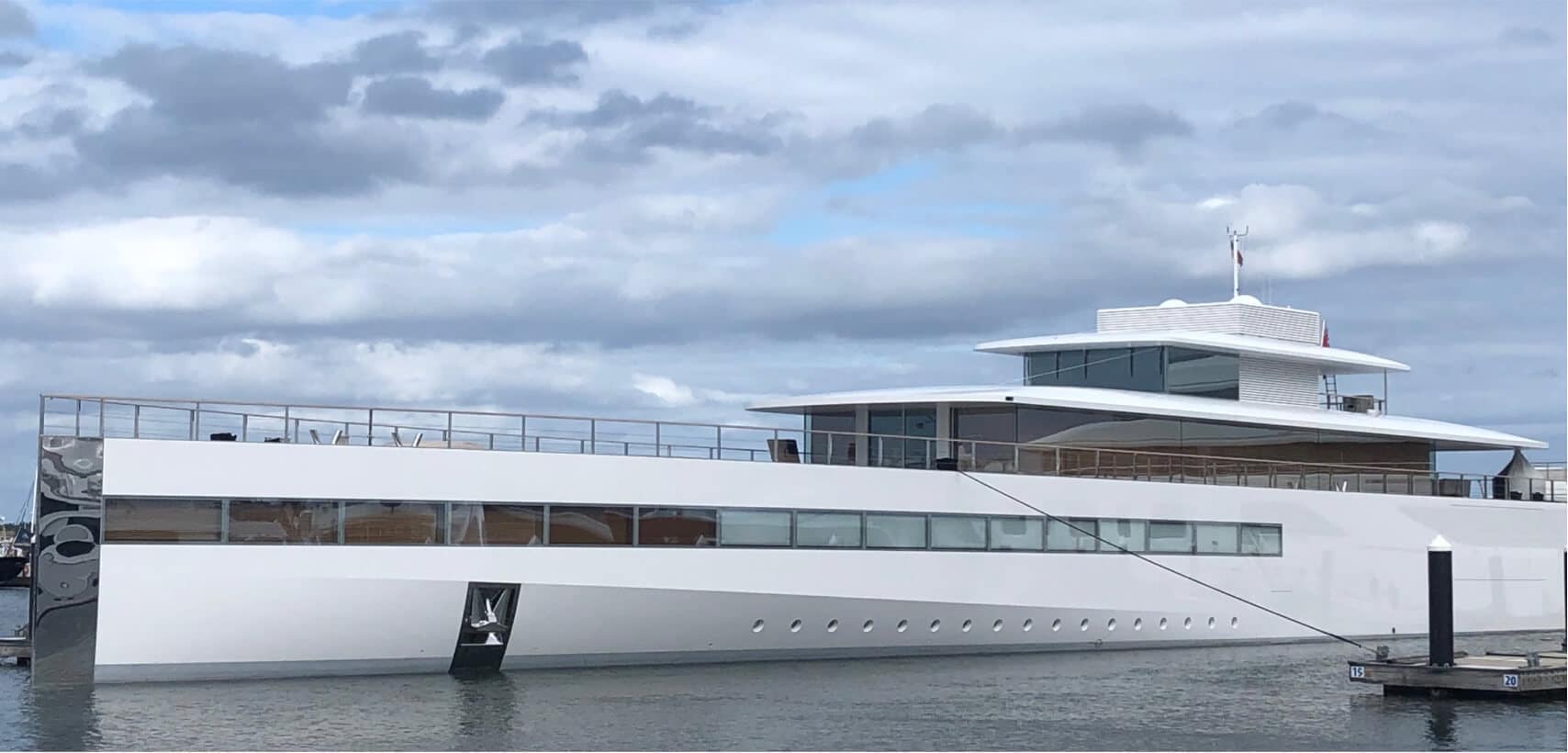
Regular maintenance of marine electrical systems is crucial for ensuring the safety, reliability, and longevity of yachts and commercial vessels. Proactive upkeep helps prevent costly breakdowns, electrical fires, and system failures, which can be particularly hazardous at sea.
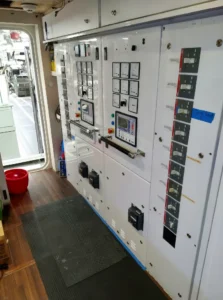
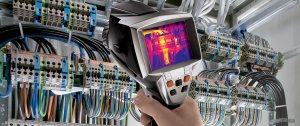
Key aspects of marine electrical system maintenance include regular inspections of wiring, connections, batteries, generators, and switchboards. This involves checking for corrosion, loose connections, insulation damage, and proper grounding. Utilizing advanced diagnostic tools like thermal imaging can identify potential issues before they escalate.
Understanding Yacht Electrical Power Sources
Marine vessels rely on a variety of power sources to operate their complex electrical systems. Understanding these sources, from shore power to onboard generators and battery banks, is essential for efficient power management and troubleshooting.
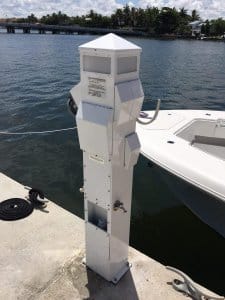
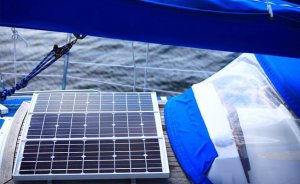
The primary power sources include shore power connections, which provide electricity when docked, and onboard generators, which are vital for independent operation at sea. Battery banks serve as a critical backup and are used for silent running or when generators are not in use. Modern vessels may also integrate renewable energy sources like solar panels to supplement power needs.
The Importance of Grounding in Marine Electrical Systems
Proper grounding is a fundamental safety feature in any electrical system, and it is especially critical in the marine environment. Effective grounding protects against electrical shock, lightning strikes, and stray current corrosion, ensuring the safety of crew and passengers and the integrity of the vessel.
A robust grounding system connects all metallic components of the vessel, including the hull, electrical equipment, and through-hull fittings, to a common ground point. This ensures that any electrical fault current is safely dissipated, preventing dangerous voltage buildup and mitigating the risk of electrical fires or damage to sensitive electronics.
Automation and Control Systems for Modern Vessels
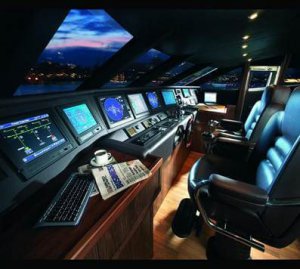
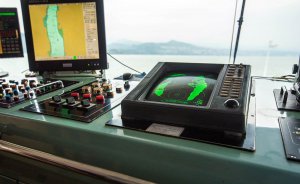
Modern yachts and commercial vessels are increasingly incorporating sophisticated automation and control systems to enhance operational efficiency, safety, and comfort. These systems integrate various functions, from engine monitoring and navigation to climate control and entertainment, providing centralized management and remote access.
Advanced automation solutions offer features such as predictive maintenance alerts, energy management optimization, and customizable operational profiles. These systems can significantly reduce the workload for the crew, improve fuel efficiency, and provide a more seamless and enjoyable experience for owners and guests by ensuring all vessel systems operate in perfect harmony.