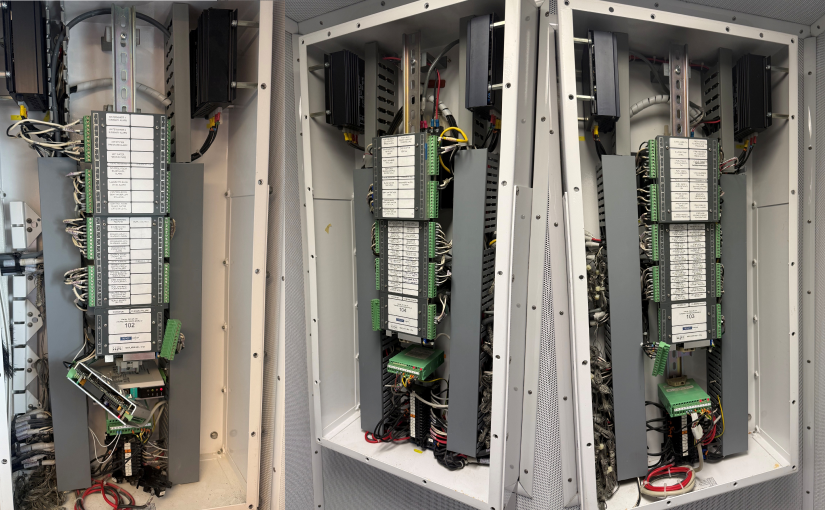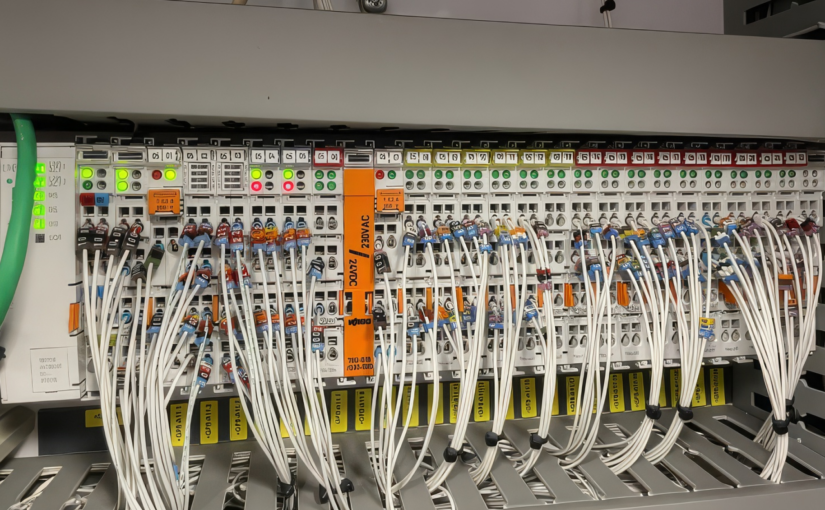


On this 60-meter vessel, the Power Management System had recently been upgraded by another contractor.
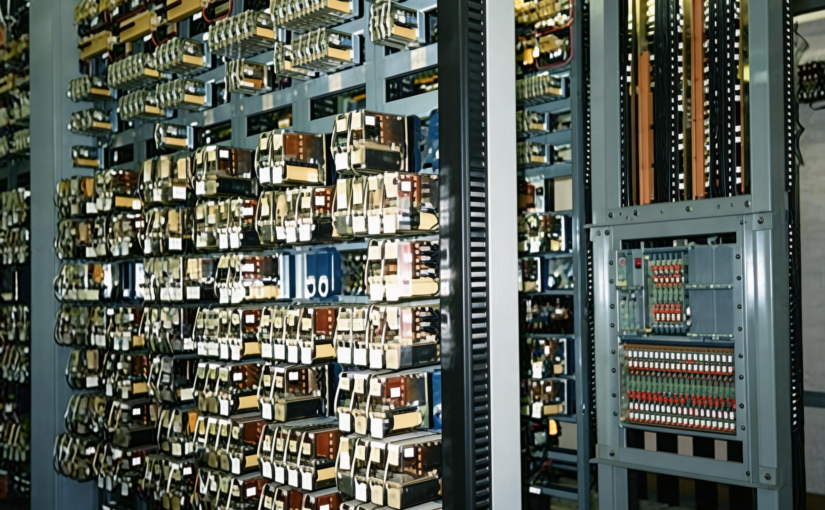
But the legacy electrical infrastructure was left behind.
That included obsolete ABB breakers, original relays, legacy power supplies, and transfer architecture — with modern PMS logic now sitting on aging hardware.
That combination creates real operational risk.
Not theoretical risk. Real dead-ship risk — driven by unintended emergency generator backfeeding into the Main Switchboard, overloading the E-gen during high-stress emergency conditions.
Phase 1 – Stabilizing the Vessel (300 hours, weekends & after-hours only)
Because the yacht could not be taken fully offline, our team was limited to Saturdays and after-hours work. Phase 1 alone took nearly two months (~300 hours).
Scope included replacing all major breakers with Schneider Electric:
- Main generator breakers
- Shore power breakers
- Emergency Switchboard (ESB) breakers
- ESB transfer breakers
- Bow thruster breakers
Key design decisions:
- Standardized the vessel on Schneider — Tess stocks these breakers locally, enabling immediate future service
- Installed all major breakers on plug-in bases for fast removal, replacement, or repair
- Eliminated long dead-ship scenarios caused by obsolete ABB availability
This wasn’t a “swap breakers and leave” job.
ABB and Schneider footprints are completely different.
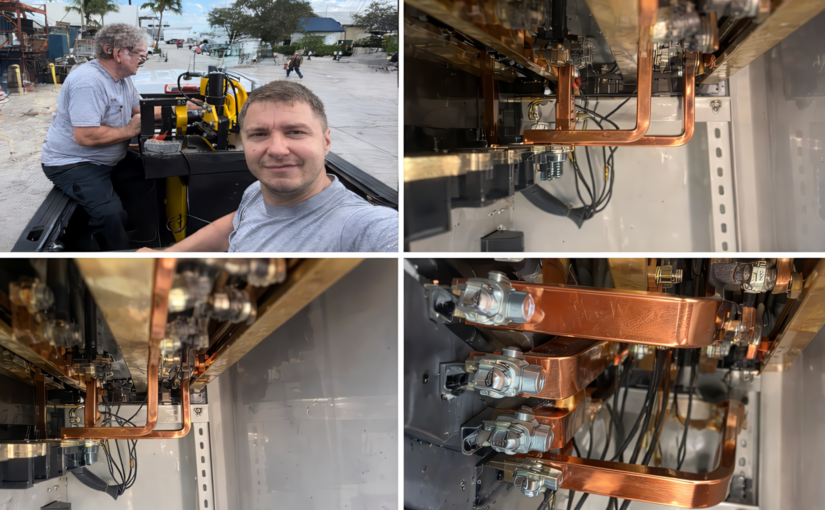
That meant full custom bus work.
Custom Copper Busbars — Built by Tess
To make this conversion possible, we:
- redesigned the bus geometry
- fabricated new copper links
- bent and fitted busbars in-house and on site
Most of the industry doesn’t realize this:
Tess does its own copper fabrication.
For both new switchboards and refits, we have the tooling and experience to redesign bus layouts directly in the field — which is critical when modernizing legacy boards that were never designed for today’s components.
That capability is often the difference between “not possible” and project completed.
Why This Matters
By converting the vessel to Schneider with plug-in architecture:
- breaker failures can now be serviced immediately
- no more waiting weeks for obsolete parts
- no more extended dead-ship just to change a major breaker
- the switchboard is now serviceable, maintainable, and forward-compatible
This is the difference between patching a system and actually stabilizing it.
Engineering Philosophy: Fix the Architecture — Don’t Add Band-Aids
During this phase, Tess also corrected legacy Emergency Generator PLC logic that previously allowed unintended backfeed into the Main Switchboard under high-stress conditions.
Rather than adding unnecessary hardware at the tie point, we implemented:
- corrected PLC logic
- undervoltage protection where it belongs (at the Emergency Switchboard)
- physical interlocking that makes backfeed scenarios impossible
No added complexity. No extra failure points.
Just clean, class-accepted architecture that behaves correctly during blackouts.
Phase 2 (Next)
Phase 1 stabilized the vessel.
Phase 2 will remove remaining legacy components and bring the entire switchboard to a like-new state, including:
- full hardware modernization
- standardized Tess logic and safeties
- predictable blackout behavior
- long-term serviceability
Modern yachts don’t fail because of software alone.
They fail at the interfaces between old hardware and new logic.
At Tess Electrical Sales & Services, we focus on rebuilding those foundations — not just upgrading controllers.