


The marine environment can be harsh and unforgiving when it comes to keeping your boat in shape. As a boat owner, it is important to pay special attention to maintaining your boat’s sensitive electrical supplies.
In the regular maintenance of superyachts and commercial marine vessels, it’s important to pay close attention to the appropriate regulations. Some of the more typical regulations are Classification Society regulations, Flag State Administration requirements as well as IMO safety standards.
As your ship gets more exposure to the elements, your yacht’s electrical systems are under constant assault. Here are a few things to consider when it comes to proper care and maintenance for your yacht’s electrical systems.
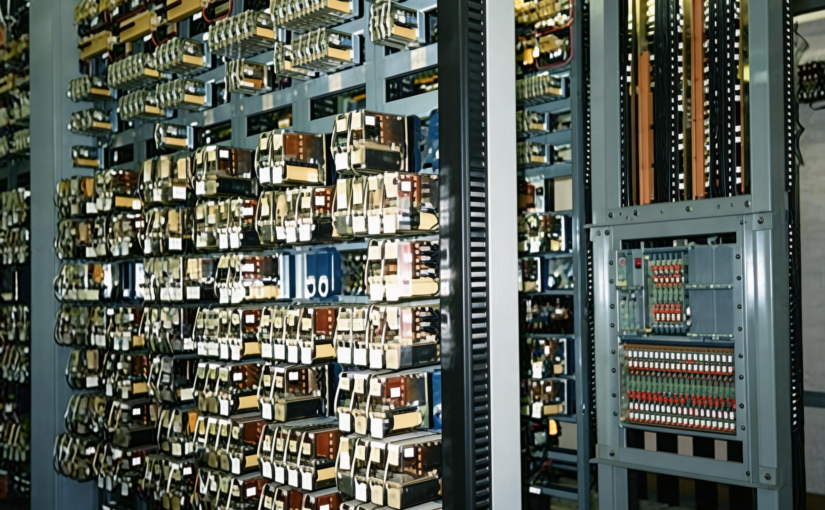
Breakers, Coils & Relays
It’s very important to check for overheated breakers, coils and relays on a regular basis. Catching overheating early will reduce the chances of any potential downtime and reducing the likelihood of a critical onboard failure.
Breakers control all of the electricity that flows through your yacht. Breakers are designed to protect an electrical circuit from damage due to excess current from an overload or short circuit.
If your breakers are overheating or not fully operational, this could be indicative of a larger problem that could lead to more significant damage to your boats electrical system.
Relays are an important electrical safety device within the yacht’s electrical circuit. They are normally used to open the faulty circuit from the main supply when an electrical fault occurs. A relay is installed in the Main and Emergency switchboard of the yacht as a security measure.
Inspecting and maintaining relays is extremely important. If the relay is not functioning properly at the time of a fault, the whole system can lose power or become damaged. Typically relays are used for overload and short circuit protection.
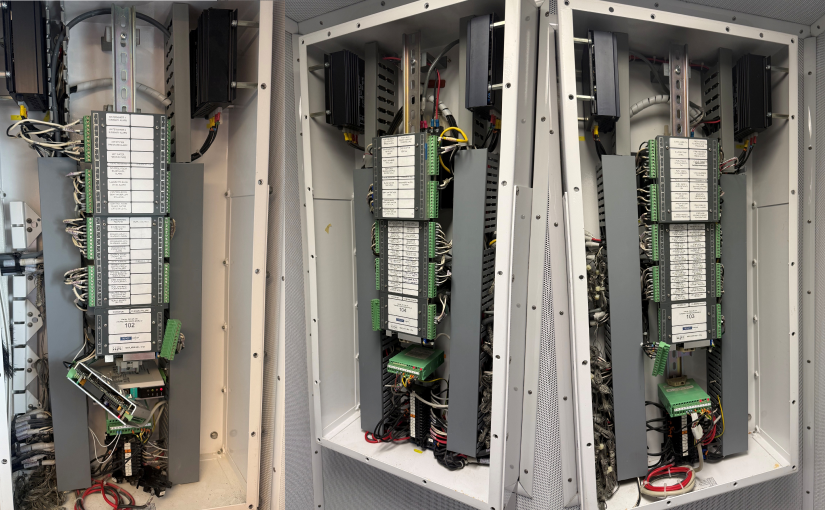
Inspect Your On-Board Panels
The breaker panel controls all of the electricity that flows through your boat. Some panels use fuses and others have circuit breakers. If your boat utilizes fuses, you should always have extras on board and check them from time to time.
AC panels on yachts are typically 3-phase, ranging from 208 volts to 600 volts. It is very important that these switchboards are regularly maintained and kept clean.
It is also worthwhile to conduct thermal imaging surveys to determine if any components are getting close to failure due to increased heat. This is a quick and reliable way to ensure that all components are operating as needed.
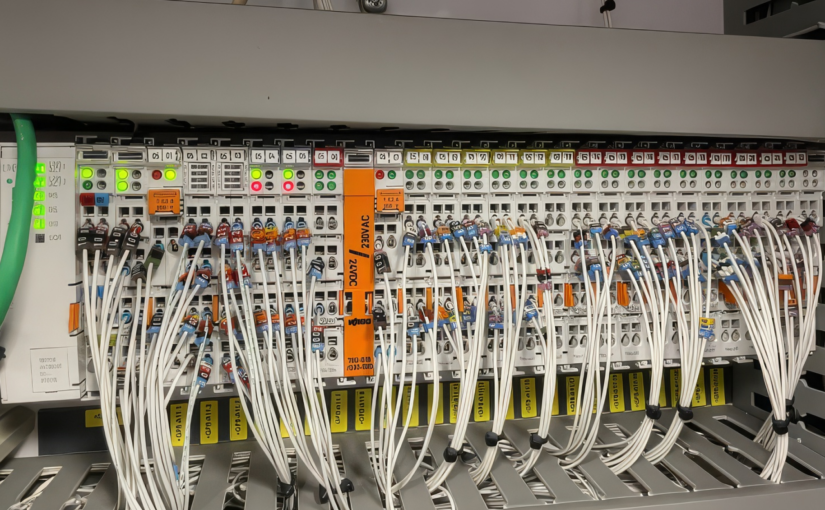
Thermal imaging can also help identify any loose connections. It’s always good to clean and tighten all of the connections to fastener and equipment specifications. Before getting started, make sure that you have the right tools for the job. Using the correct cleaning equipment and cleaning procedures is extremely important.
When dealing with on-board electrical panels you’ll be handling high voltages. It’s advised that you have a qualified marine electrical technician handle these tests and fixes for you. Give us a call today if you’d like to have one of our experienced team members perform an inspection on your on-board panels.
Inspect Boat Wiring for Corrosion & Safety Hazards
The wiring on boats is very different from the wiring in a home. Electrical systems on boats are subjected to all kinds of corrosive elements such as rapidly changing temperatures, dampness, saltwater, and vibrations.
You should regularly check for visible problems like frayed insulation on a wire as this needs to be repaired immediately. As the wiring on your boat becomes degraded, the potential for safety issues becomes greater, so it’s important to pay close attention.
It’s also important to perform regular thermal readings throughout your yacht. By performing thermal readings, you’ll be able to identify any unexpected heat coming from wiring buried in the walls. Wires giving off excess heat could be indicative of a bigger problem or could become the catalyst for a fire.
If you do come across a wire that has damaged insulation, the wire itself may be damaged as well. It’s always a good idea to postpone any continued use of your boat until the underlying issue has been identified and repaired.
It’s also a good idea to involve a professional marine electrician any time there’s a need to repair or replace any wiring. As the electrical systems on yachts can be very complex and run at a high voltage, you run the risk of hurting yourself or causing costly damage to your craft without the proper training and equipment.
Other Important Inspections
While the breakers, the panels, and your boat’s wiring are three of the more important inspections to perform regularly, there are also a number of other important inspections that you should have done regularly on your yacht.
Reviewing Generator Settings
Reviewing your generator settings and the seamless transfer settings on your yacht’s power management system on a schedule or if the equipment onboard your yacht changes. This is important as the power management and monitoring systems are responsible for a wide range of important alarms, automation, and safety considerations.
Regular Resistance Testing
Resistance testing, or insulation resistance testing, tests the ability of the insulation material to resist the electrical current flow. From the time that the insulation is installed, it begins to age and erode which impacts the performance of the insulation. Running regular resistance testing will reduce the risk of fire, overheating, shortages, shock, and more.
Primary Injection Testing
Primary injection testing, also known as current injection testing, is the process of testing the circuit breakers on a ship by injecting electrical current through them. These tests are used to identify any breakers that are underperforming which can create inefficiencies and potential damage within your electrical system.
Performing Electrical Inspections
Routine maintenance of your yacht’s electrical systems and components is a great way to keep your vessel running at peak performance and ensure the safety of everyone on board. If you’re looking for a team of experienced marine electricians to assist with these or any other marine electrical surveys, Tess Electrical can help.
Our team of experienced marine electricians can help to establish a regular inspection and maintenance schedule for your yacht and perform the inspections at your convenience. If you’d like to learn more about our marine electrical inspections, give us a call today to speak to one of our sales team members about a plan that will work best for you.